Home › Road, Street, and Municipal Paving
Keep traffic moving on smooth surfaces with professional road paving in Phoenix, AZ. We construct and resurface streets for municipalities, HOAs, and private developments. From milling and base repair to final paving and compaction, our crews deliver durable, ride friendly asphalt roads.
Precision Asphalt Phoenix provides professional road paving throughout Phoenix, AZ, Arizona and the surrounding area. Our licensed, insured crew delivers safe, clean, on-time work with a free estimate before anything begins. Call (602) 603-4424 or request your free quote.
Road, Street, and Municipal Paving in Phoenix Built for Desert Traffic
Road paving in Phoenix is tough on materials and sloppy work does not last. At Precision Asphalt Phoenix, we design every road, street, and municipal paving project around three things: desert heat, sudden monsoon storms, and heavy traffic loads. That means picking the right asphalt mix, getting drainage right so water is gone within minutes, and compacting the surface correctly so it does not rut or ravel when the temperature hits triple digits.
In the Phoenix area, public and private roadways see a mix of commuter traffic, trash and delivery trucks, school buses, and emergency vehicles. Each of these loads affects the pavement differently. We start with a site visit to understand who uses the road, how often, and what the subgrade looks like right now. A private community street with mostly cars does not need the same structure as a bus route or an industrial access road, and overspending on the wrong design is just as bad as underbuilding the pavement.
We routinely work with HOAs, property managers, schools, churches, small municipalities, and commercial owners across the Phoenix metro. Our team is used to tying in to existing city streets, working around mailboxes and utilities, and keeping at least one safe travel lane open where required. All planning, staging, and traffic control is built around keeping your residents, customers, and drivers moving while we work.
How Our Road Paving Process Works, Step by Step
Good road paving in Phoenix starts under the surface. First, we evaluate and prepare the subgrade. That means removing unstable soil, compacting the native material with a roller, and checking density so the base will not pump or shift when vehicles pass. In older neighborhoods with decades of patching, we often mill off the failed asphalt to a set depth, haul it out for recycling, and expose a surface we can rebuild correctly.
Next comes the aggregate base course, typically a crushed rock material that provides strength and helps with drainage. We place it in lifts, usually 3 to 4 inches at a time depending on design, and compact each lift with vibratory rollers. In soft areas we may add geo-grid or cement treatment to stiffen the base so you do not see reflective cracking and dips later.
After the base is shaped and compacted to grade, we fine tune the profile for slope. Phoenix roads must shed water quickly during monsoon downpours, so we build in cross-slope or crown and ensure transitions to gutters, scuppers, and catch basins are smooth. We then apply a tack coat (a thin layer of asphalt emulsion) to bond the new asphalt to the base or existing layer. Skipping or skimping on tack is a common cause of delamination and early failure.
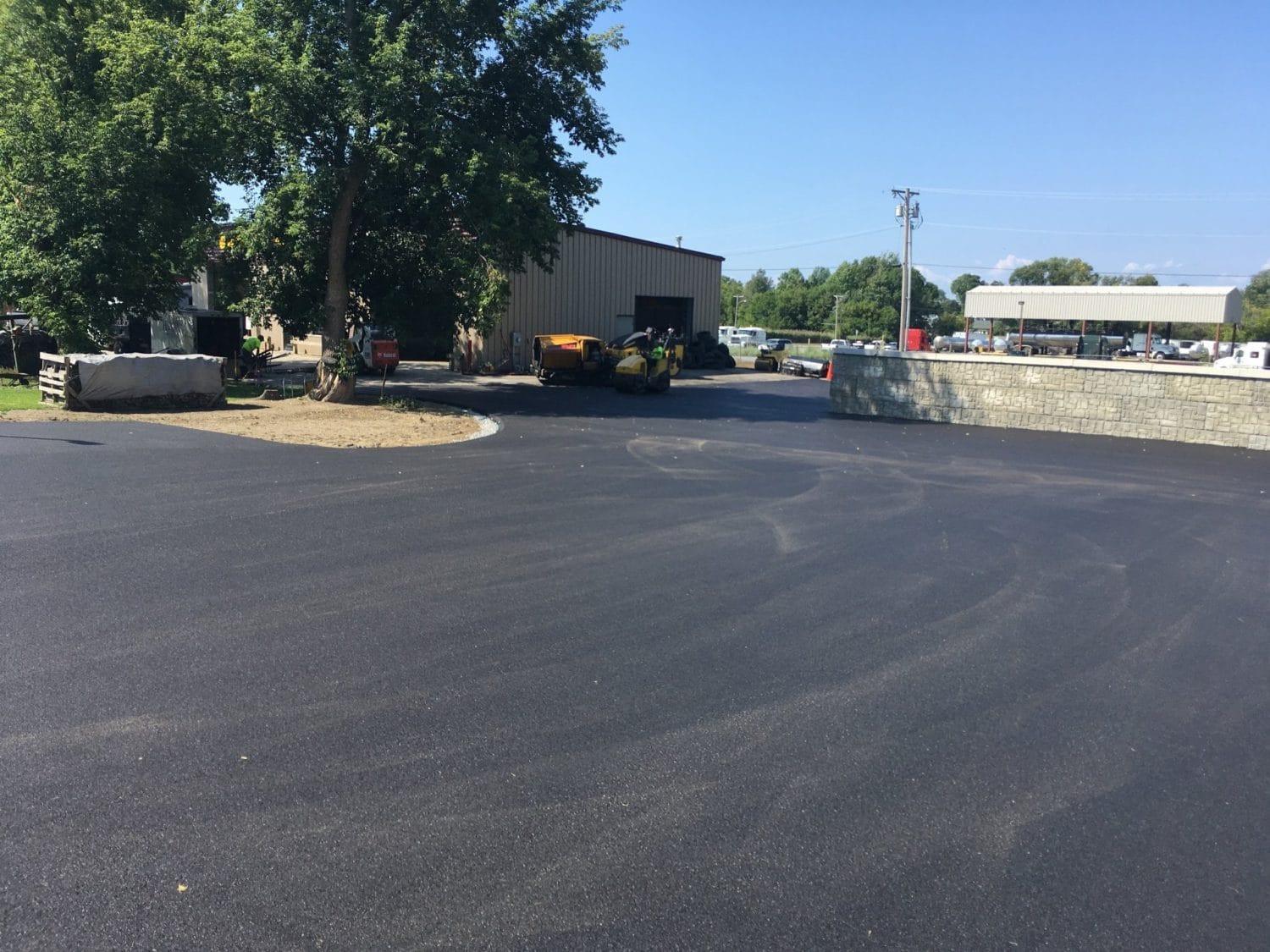
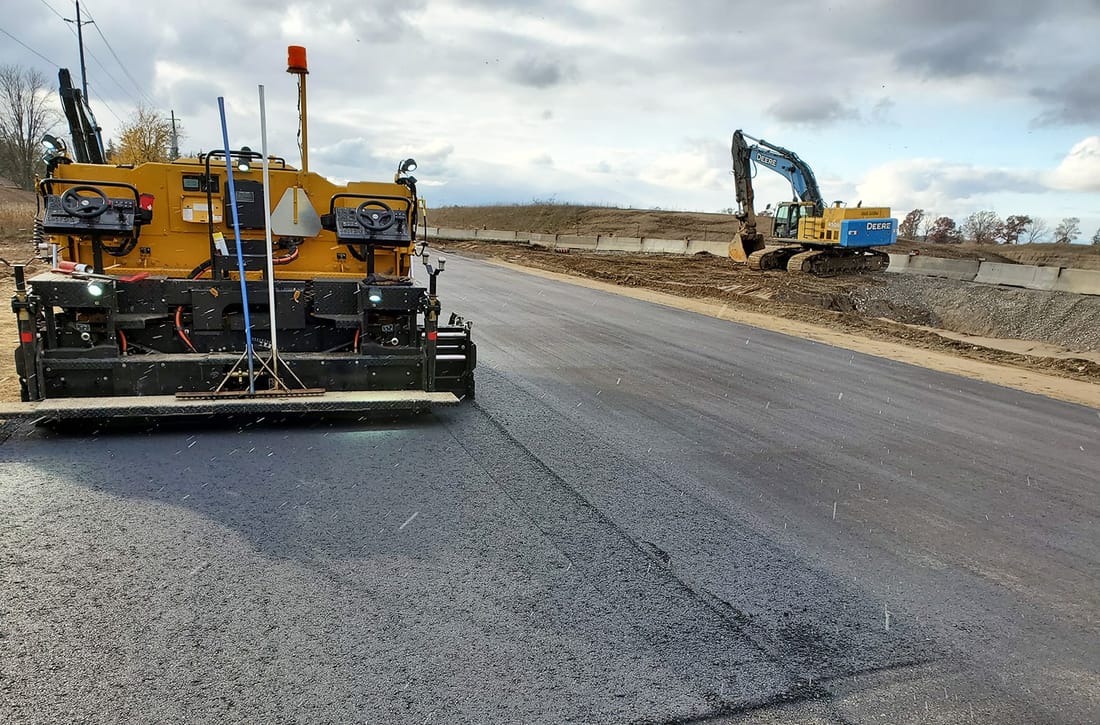
The asphalt surface is placed with a paver for consistent thickness, then compacted with steel drum and pneumatic rollers while it is still within the right temperature range. Our crews monitor mat temperature, roller patterns, and joint construction, especially in the Phoenix heat where mix can cool unevenly if not handled correctly. Finally, we cut and seal joints as needed, clean the surface, and, once cured, apply striping, stop bars, arrows, and symbols according to the plan and applicable standards.
Design Choices: Pavement Thickness, Mix Types, and Drainage for Phoenix Roads
The right pavement design is what separates a road that lasts 20 years from one that fails in 5. At Precision Asphalt Phoenix, we look at traffic volume, expected truck percentage, soil conditions, and your maintenance budget before recommending a section. A light-use private lane might be 2 to 3 inches of asphalt over base. A busy commercial entrance or bus route might need 4 or more inches and a thicker aggregate base to resist rutting.
Asphalt mix type matters just as much. We routinely use local PG 70-10 and PG 64-16 binders that handle high surface temperatures without becoming too soft. For higher traffic or turning areas, we may recommend a polymer modified mix that holds up better under slow, constant loading. In cul-de-sacs and intersections where vehicles grind the surface as they turn, we adjust the gradation and binder content to limit shoving and surface scuffing.
Drainage is a major design driver in Phoenix. A flat road with nowhere for water to go will strip and ravel quickly, especially with summer storms. We evaluate whether curb and gutter, valley gutters, or swales are working and adjust slopes so water flows to inlets instead of ponding. In alleys and older streets, we sometimes build shallow swales into the pavement section to guide water away from garages and backyards.
We also plan for future maintenance. A road designed with a slightly thicker surface course can be milled and overlaid later without touching the base, which keeps long term costs lower for HOAs and small municipalities. During planning, we talk through options like early crack sealing and periodic sealcoating (for lower volume roadways) so you know what to expect over the life of the pavement.
What Drives Road Paving Cost in Phoenix and How We Control It
Several factors influence the cost of road, street, and municipal paving in the Phoenix area, and knowing them upfront helps you compare bids fairly. The biggest drivers are total square footage, required pavement thickness, base improvements, and site access. A long, straight collector road with easy truck access costs less per square foot than a tight residential loop full of driveways, utilities, and handwork.
Subgrade and base conditions are often the wildcard. If the soil pumps under heavy trucks or has been saturated by irrigation or broken water lines, we may need to undercut and replace weak zones, add geo-grid, or chemically stabilize. That adds cost, but it prevents repeated failures that would be far more expensive over time. During our initial walk-through, we probe soft spots, look for alligator cracking and depressions, and give you options instead of surprises after demolition.
Traffic control and phasing are another cost component. If your project requires work only during specific hours, flaggers, temporary striping, or detours, we build that into the plan. For HOAs and retail centers, we often phase work in segments so residents and customers always have a way in and out. That can slightly increase the duration and mobilizations, but it keeps your property functional.
Material choices also affect price. Standard hot mix asphalt is usually the most cost-effective, but on heavy-duty roadways or in high stress areas we might propose a higher grade binder or thicker surface. Our approach at Precision Asphalt Phoenix is to show you at least two design options when possible, explain expected life cycle and maintenance, and let you decide where to invest more upfront and where a basic section will perform just fine.
Common Road Problems in Phoenix and How Precision Asphalt Phoenix Solves Them
Phoenix roads face a specific set of problems driven by heat, UV exposure, and drainage. One of the most common is alligator cracking, a fatigue pattern that shows the structure under the asphalt is failing. In those areas, simple overlays are a waste of money. We cut out the failed sections, rebuild the base, then pave back so the new surface is supported. Where cracking is mainly in the surface and the base checks out, milling and overlay can be a smart option.
Rutting and depressions show up in wheel paths and at stop bars, especially where buses or trash trucks stop and start. In those zones, we may recommend a thicker or stiffer mix, extra compaction, or additional base thickness. We also look for irrigation runoff from landscaping that can weaken edges and cause edge cracking. Fixing the pavement without correcting the water source only buys short relief, so we often coordinate with owners to redirect drainage or adjust curbing.
Another frequent Phoenix issue is raveling and oxidation. Intense sun dries out the binder, and traffic slowly pulls aggregate loose from the surface. On lower volume streets and private roads, early crack sealing and periodic sealcoating can slow this down. When the surface is already rough and noisy, a thin overlay or surface course can reset the wearing layer and extend the life of the underlying structure.
Before you hire a contractor for municipal, street, or road paving, ask them how they evaluate base conditions, what mix designs they use for our climate, and how they plan to handle traffic during work. Precision Asphalt Phoenix gives you clear test results when needed, written scopes that spell out thicknesses and materials, and realistic schedules that factor in our heat and cure times. That way you are not just buying new blacktop, you are investing in pavement that is built to handle Phoenix conditions for the long term.