Home › Industrial and Heavy-Duty Asphalt Paving
Handle heavy loads with confidence using industrial asphalt paving in Phoenix, AZ. We design and install thicker sections and reinforced bases for truck yards, loading docks, and warehouses. Our pavements are engineered for frequent turning, parked trailers, and concentrated weight.
Precision Asphalt Phoenix provides professional industrial asphalt paving throughout Phoenix, AZ, Arizona and the surrounding area. Our licensed, insured crew delivers safe, clean, on-time work with a free estimate before anything begins. Call (602) 603-4424 or request your free quote.
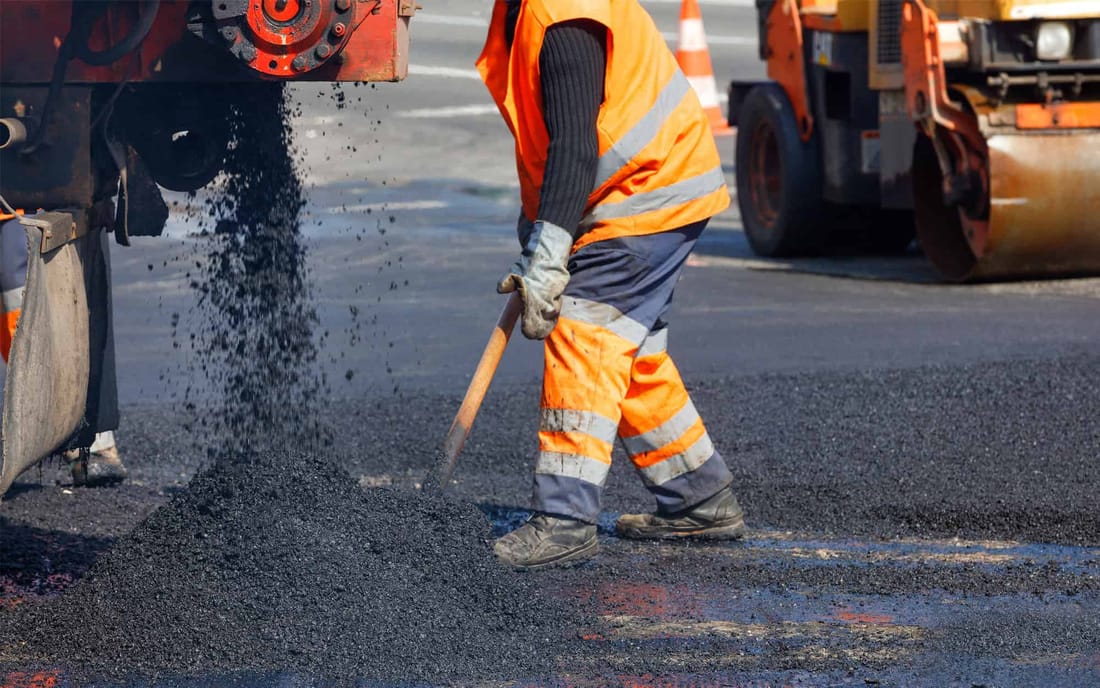
Industrial asphalt paving built for Phoenix conditions
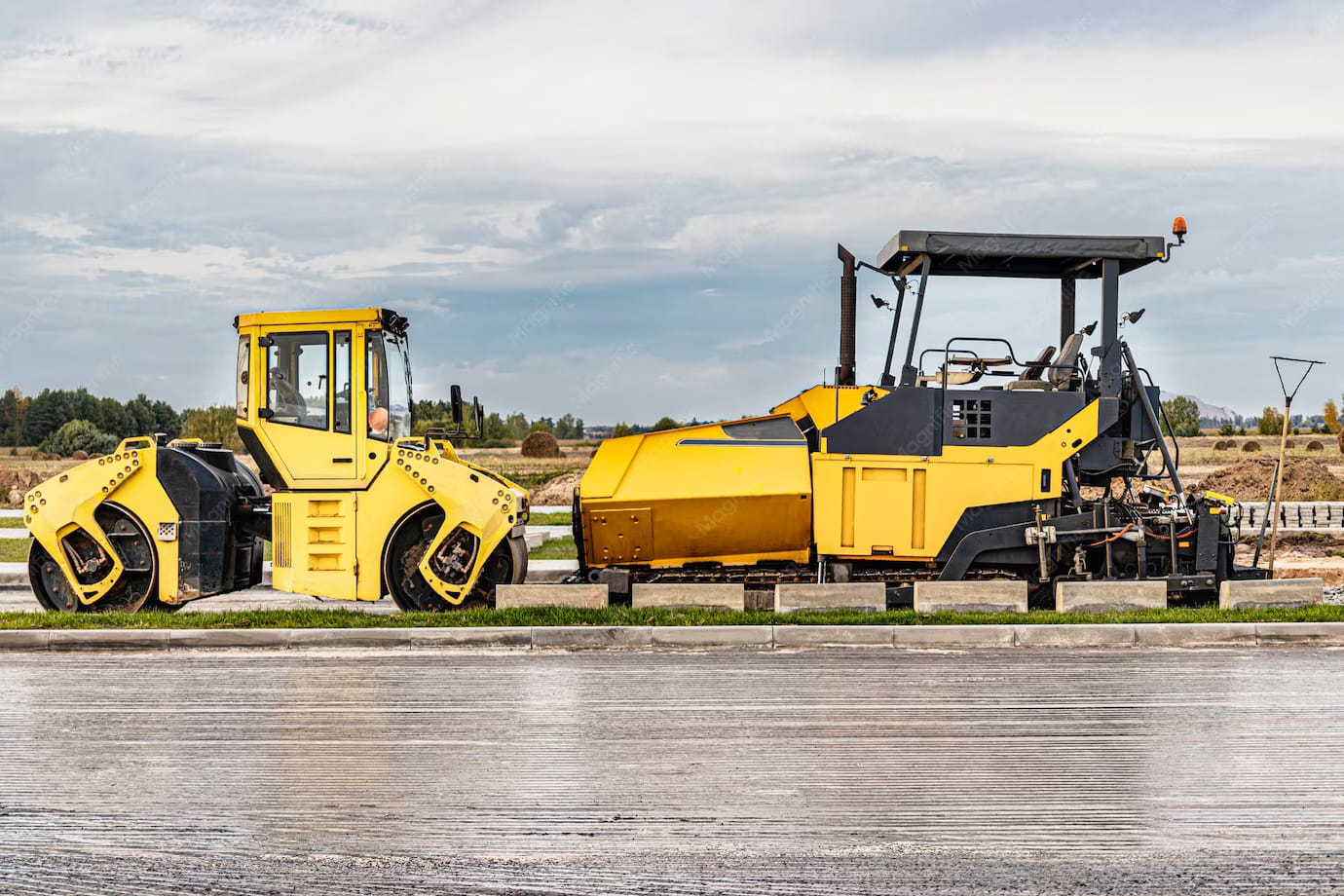
If your facility handles forklifts, semi trailers, or constant heavy deliveries, you already know that standard parking lot paving is not enough. Industrial asphalt paving is engineered for loads, heat, and turning movements that would destroy a typical commercial surface.
Precision Asphalt Phoenix focuses on heavy duty designs that match real world use in Phoenix, AZ. Before we talk about thickness or cost, we walk the site with you and map out exactly where the abuse happens. Dock aprons, trash enclosures, fuel islands, fire lanes, drive aisles to loading docks, and areas with tight truck turning are flagged for reinforced construction. Lower stress zones, such as employee parking, can often be built to a lighter spec to save you money without sacrificing performance.
In Phoenix we also plan for brutal summer heat. Softening asphalt under slow moving trucks can cause shoving and rutting if the mix and base are not right. We specify high stability industrial mixes, proper compaction, and base designs that keep the surface tight and stable even in August. The result is a pavement structure that stays in place under the combination of 110 degree heat and 80,000 pound trucks.
How industrial asphalt paving is actually built
A heavy duty asphalt project is more like building a layered structure than just spreading blacktop. Precision Asphalt Phoenix typically follows a step by step process so you know exactly what you are getting.
1) Site evaluation and subgrade testing. We check soil type, moisture, and existing failures. In Phoenix, many industrial sites sit on expansive or sandy soils. We may run proof rolling with a loaded truck to see if the ground deflects. Soft spots are marked for undercut or stabilization.
2) Grading and drainage design. Industrial pavements often fail at low spots where water ponds. We design slopes to move water to catch basins or swales and we verify existing drainage structures are at the correct elevation. On older Phoenix properties, it is common to find sunken grates or mismatched elevations that must be corrected during paving.
3) Base installation. For heavy traffic we usually recommend 6 to 12 inches of compacted aggregate base or a combination of aggregate and stabilized subgrade. Base is installed in lifts, each compacted with vibratory rollers to a specified density. We use nuclear or non nuclear gauges if required by your engineer to confirm compaction. Skipping this step is what leads to early rutting and alligator cracking.
4) Asphalt mix selection and thickness. Industrial asphalt paving uses different mixes than a typical strip mall. High volume truck areas often get a coarse, high stability base course topped with a tighter surface course. Thickness can range from about 4 inches in lighter dock areas to 6 inches or more where container stacks or constant semi traffic are expected. If you have an engineer, we build to their spec. If not, we propose a section based on actual truck counts and load types.
5) Compaction and joints. The best mix in the world will fail if it is not compacted. We roll the mat at the proper temperature window and pay close attention to longitudinal joints, especially where new asphalt ties into older pavement or concrete docks. Well built joints are critical on industrial work, since trucks tend to track those joints over and over.
6) Striping, signage, and safety details. Last, we replace or redesign striping for truck paths, no parking zones near docks, and fire lane markings. For 24/7 operations we can phase the work so that some docks or access points stay open while others are being rebuilt.
Cost drivers for heavy duty asphalt in Phoenix
Budgets for industrial asphalt paving can vary widely, and most of the difference has nothing to do with the contractor's profit margin. Precision Asphalt Phoenix is upfront about what really moves the needle on price so you can make informed decisions.
1) Existing base condition. If your current pavement is simply worn but structurally sound, we may be able to mill and overlay, which is less expensive than a full rebuild. If we find widespread base failure, undercutting and rebuilding those areas will add cost but will also be what stops the same failures from coming back in a few years.
2) Pavement thickness and materials. Every additional inch of asphalt or base adds real cost, but going too thin is much more expensive in the long run. In Phoenix, where heat magnifies truck damage, we rarely recommend the bare minimum section that might be used in a cooler climate. We explain where you truly need heavy sections, such as dock approaches, versus areas that can safely be thinner.
3) Access and phasing. Industrial facilities often need to stay open. Night work, weekend schedules, or tight phasing around critical operations (like freezer buildings or inbound freight lanes) can increase cost because of overtime, lighting, and small work windows. We help you decide if the extra cost of night work is worth the benefit of zero daytime disruption.
4) Drainage corrections and concrete tie ins. Adjusting numerous utility lids, trench drains, and concrete dock faces, or adding new valley gutters and concrete pads, adds labor and materials. Many older Phoenix sites need at least some drainage upgrades when the pavement is rebuilt, which we identify early during the site walk.
5) Engineering and testing requirements. Some industrial clients and municipalities require geotechnical reports, thickness designs, and third party compaction testing. Precision Asphalt Phoenix can work with your engineer or recommend one, but testing and design requirements do affect overall project cost and schedule.
Common industrial pavement problems and how we prevent them
Industrial asphalt failures almost always tell a story. By understanding what caused the damage, we can design a fix that lasts instead of repeating the same problem.
Rutting and shoving at docks and intersections. In Phoenix heat, slow turning trucks can push soft or under designed asphalt. We counter this by using a stiffer, high stability mix in those zones, adding thickness where needed, and in some cases incorporating a concrete dock approach or concrete pads at the exact wheel path locations.
Alligator cracking in wheel paths. This usually points to base or subgrade weakness. Our crews will sawcut and excavate failed panels, rebuild the base with proper compaction, then patch with compatible industrial asphalt. On larger projects we often recommend full depth reclamation or systematic panel replacement instead of chasing scattered potholes every year.
Ponding water and edge failures. Water that sits next to the pavement edge or along dock walls seeps into the base, then traffic breaks the weakened edge. We improve slopes, add curb or valley gutters where needed, and make sure downspouts and condensate lines are not dumping straight onto the asphalt.
Raveling and surface wear in high traffic lanes. Forklifts, tight radius turns, and tire spinning near gates can grind away a thin or oxidized surface. When the base is still solid, milling and installing a new industrial surface course is usually the most cost effective fix. We may also suggest small layout adjustments so trucks have a smoother, more generous turning path.
We document these issues with you in the field. Precision Asphalt Phoenix will mark problem areas with paint during the walkthrough, take photos, and then line those locations up with the proposal so you know exactly what is being addressed and how.
Planning your project: timing, downtime, and what to expect
Industrial asphalt paving projects live or die on planning. Phoenix has unique weather and operational realities, so timing matters as much as design.
Best time of year. For most industrial work in Phoenix, late fall, winter, and early spring provide ideal paving temperatures and more comfortable conditions for your crews and ours. Summer paving is absolutely possible, but we generally start earlier in the morning, manage asphalt temperature closely, and plan shorter pulls so the mat can be compacted before it cools too quickly at night.
Staging and traffic control. Before we mobilize, Precision Asphalt Phoenix works with your team to map haul routes, temporary staging for trailers or containers, and any backup plans for emergency vehicle access. On larger facilities we often split the work into zones, such as employee parking, inbound truck lanes, and dock areas, to keep part of the operation live while another part is under construction.
Communication and daily updates. Heavy duty paving generates noise, dust, and temporary access changes. We provide a clear schedule ahead of time so you can inform drivers, tenants, or internal departments. During construction, your site contact gets daily updates on progress, next day plans, and any changes due to weather or unexpected underground conditions.
What you can do to extend pavement life. Once the work is done, simple maintenance steps will stretch your investment. Keep heavy trucks off new asphalt for the first 24 to 48 hours if possible, enforce weight limits for areas that are not designed for heavy loads, seal cracks before water can infiltrate, and consider a sealcoat program for lighter duty areas. For the truly heavy zones, we focus more on structural integrity than sealcoat, but targeted crack repair and drainage upkeep make a big difference over the years.
From the first site visit to the last roller pass, Precision Asphalt Phoenix treats industrial asphalt paving as a partnership. You know your operations, we know the pavement, and together we design a heavy duty surface that supports your business instead of getting in its way.