Home › Gravel-to-Asphalt Conversions
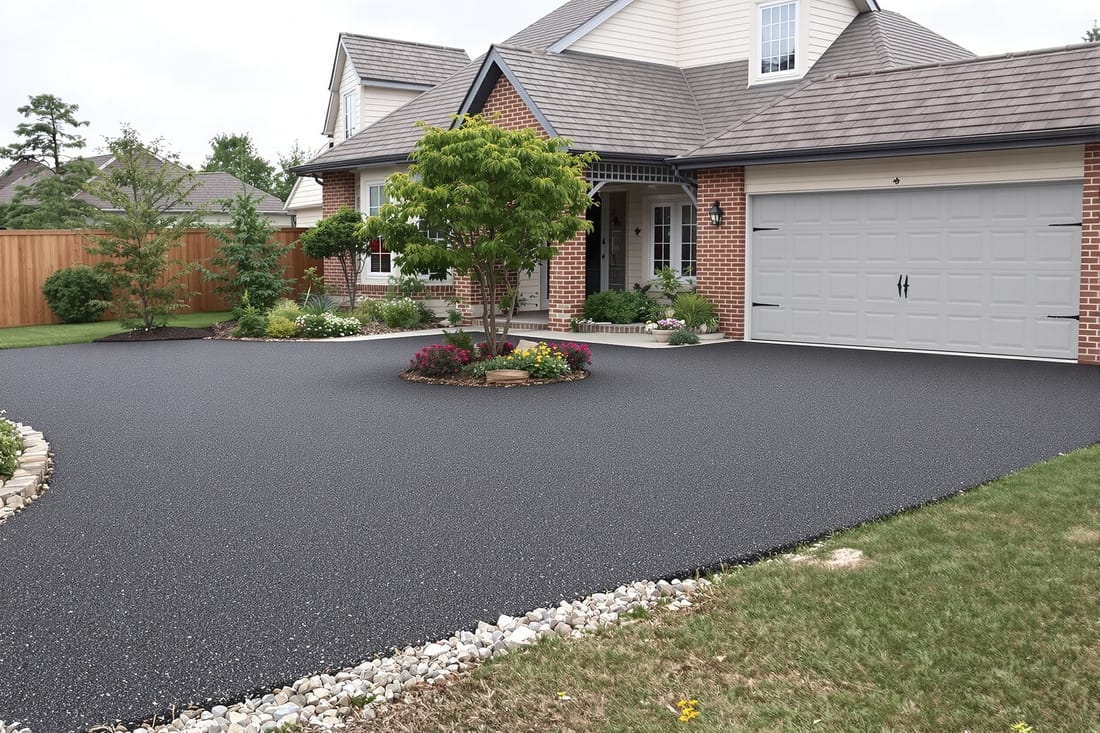
Upgrade from dusty gravel to a clean, smooth surface with gravel to asphalt driveway conversions in Phoenix, AZ. We regrade, compact a solid base, and install quality asphalt that stands up to weather and traffic. Enjoy easier snow removal, less dust, and a sharper look for your property.
Precision Asphalt Phoenix provides professional gravel to asphalt driveway throughout Phoenix, AZ, Arizona and the surrounding area. Our licensed, insured crew delivers safe, clean, on-time work with a free estimate before anything begins. Call (602) 603-4424 or request your free quote.
Turn Your Gravel Driveway Into Durable Asphalt in Phoenix
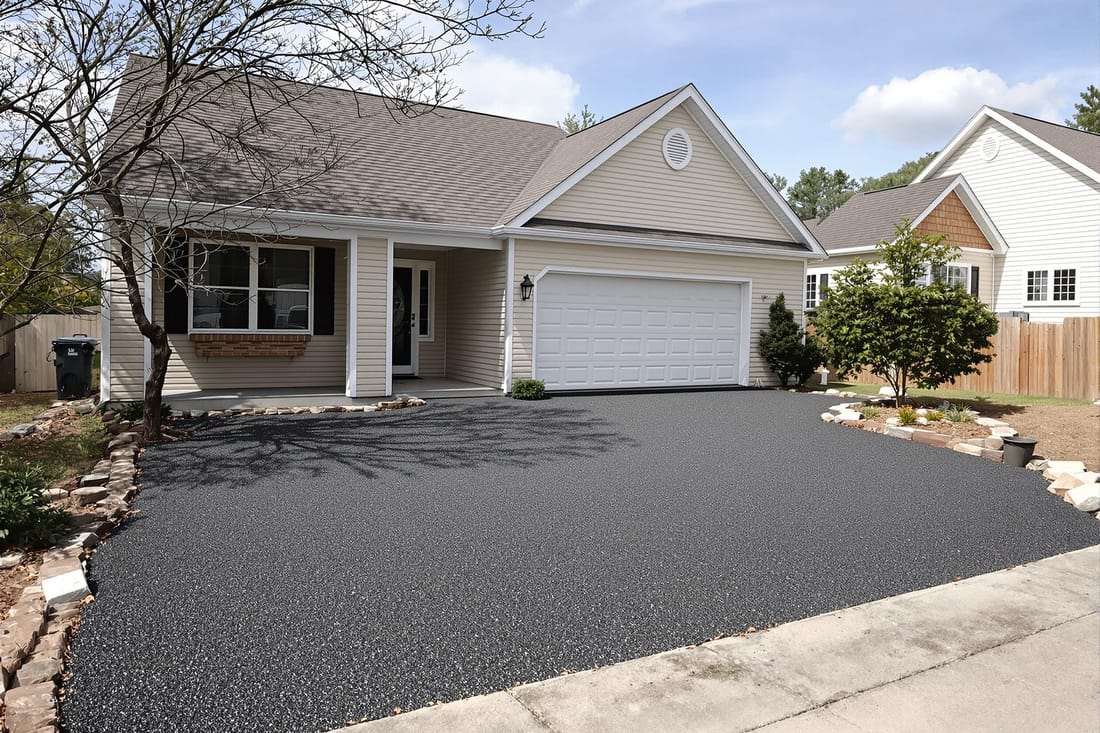
A gravel driveway works until it does not. Dust, washouts after monsoon storms, and constant ruts are common complaints we hear from Phoenix homeowners. Precision Asphalt Phoenix focuses on turning those problem gravel surfaces into smooth, long lasting asphalt driveways that handle our heat and sudden rain.
A gravel to asphalt driveway conversion is not just spreading blacktop over rock. If the base is not corrected for our expansive soils and intense sun, the new surface will crack or rut within a few seasons. We evaluate how your existing gravel was installed, how water currently drains, and how much traffic the driveway really sees. That way the design matches what you actually need instead of a one thickness fits all approach.
Our crews work across Phoenix, from older properties with thin decomposed granite driveways to large flag lots with long, dusty access roads. We understand local quirks like city sidewalk tie-ins, alley access, and how HOA standards affect layout and edge treatments. When you call Precision Asphalt Phoenix, you get a clear explanation of what it will take to make your gravel to asphalt driveway conversion hold up in this climate, not just a square foot price.
Step-by-Step Process: How We Convert Gravel to Asphalt
Every conversion starts with a site visit. We measure slope, look for soft spots in the existing gravel, and check how water currently moves during storms. In Phoenix, that quick, heavy monsoon runoff is a real test, so we plan the driveway elevation and drainage with those events in mind. We also mark utilities near the drive and note any tree roots or edge structures that will need protection.
The first construction step is shaping the base. We usually regrade the existing gravel, then add and compact additional aggregate as needed. For most residential gravel to asphalt driveway projects in Phoenix, we aim for a minimum of 4 inches of compacted base. For heavier vehicles like RVs or trailers, we build up to 6 inches or more and widen turning areas where tires scrub the surface.
Compaction is critical in Arizona soils. We use vibratory rollers and plate compactors to reach specified density. Soft pockets are excavated and rebuilt instead of just covered over. If we find expansive clay or areas that stay damp, we may recommend a stronger base rock or, on problem sites, a geotextile fabric to separate native soil from the aggregate.
Once the base is correct, we fine grade it so water sheds in the right direction. Then we install hot mix asphalt at the thickness suited to your use, usually 2.5 to 3 inches of compacted asphalt for standard residential traffic. The mix is placed with a paver where space allows, or carefully spread and compacted in tight spaces. We roll the surface while it is hot to achieve a dense, smooth finish that will not ravel under Phoenix traffic and temperatures.
Design Options for Your New Asphalt Driveway
Precision Asphalt Phoenix treats each gravel to asphalt driveway as a small paving project with real design choices, not an afterthought. The final look and performance depend on more than just thickness. We discuss how you use the driveway, where guests park, and what you want to see from the street.
We can widen the drive beyond the original gravel footprint to add parking pads, straighten tight curves, or create a better turnaround so you are not backing into the street. Edge options include simple compacted shoulders, concrete ribbons, or valley gutters where drainage is a concern. In neighborhoods with strict aesthetics, we can shape clean radiused entries that tie in neatly to existing sidewalks or aprons.
As for asphalt itself, most Phoenix homeowners go with a standard hot mix surface that balances durability and cost. In higher wear locations, we might recommend a slightly stiffer mix to handle frequent turning or heavier vehicles. We also plan ahead for future sealcoating by making sure joints and edges are well compacted so they take sealer evenly later on.
If your driveway slopes toward the garage or house, we will talk through additional drainage solutions. This can include shallow swales, catch basins connected to drain piping, or subtle cross slopes in the asphalt to move water away from structures. These details are especially important in Phoenix because a single bad storm can expose a drainage mistake right away.
What Affects Cost on Gravel-to-Asphalt Conversions in Phoenix
Many people start with a simple question: how much per square foot to turn gravel into asphalt. The honest answer is that the existing base and drainage conditions around Phoenix affect price more than square footage alone. Precision Asphalt Phoenix breaks costs down so you understand what you are paying for and where we can adjust scope.
Key cost drivers include how thick the base needs to be rebuilt, how difficult compaction will be, and whether grading changes are required to move water correctly. A flat gravel drive that already has several inches of good aggregate will cost less to convert than a thin, dusty path with low spots that pond water. Access for equipment also matters. Tight backyards that require smaller machinery take more labor per square foot than open front drives.
Tie-ins and concrete work can add to the budget. If the new asphalt needs to meet an existing garage slab, sidewalk, or street gutter, we may need to saw cut and match grades precisely so there is no trip edge or low spot that collects water. In some Phoenix neighborhoods with alleys, there are specific requirements for the transition from private driveway to city maintained alley that we account for in the estimate.
Base repair is usually the biggest variable. During our site visit we probe several locations to estimate how much rebuild is necessary, then price transparently. We would rather be upfront about correcting a bad base than give a low number that leads to early failure. You will see line items for base work, asphalt placement, and any extras like drainage structures so you know exactly where your money goes.
Common Problems and How We Prevent Them
Phoenix weather is unforgiving, so we plan gravel to asphalt driveway conversions to avoid problems that show up a year or two after the work. Heat, UV exposure, and sudden rain all stress a poorly built driveway. Precision Asphalt Phoenix has seen what fails, and we build to avoid repeating those mistakes.
One common issue is reflective cracking where underlying weak spots or old ruts telegraph through new asphalt. We minimize this by properly regrading and compacting the base, adding material where needed instead of just reshaping the old gravel. In some cases we will recommend digging out and rebuilding specific soft areas before paving instead of trying to fix them with extra asphalt.
Another problem is edge breakup when vehicles regularly drive near the edge of a too narrow lane. To address this, we either design wider travel lanes up front or build compacted shoulders that support the edge. In busy households where delivery trucks or trailers are common, we may suggest slightly thicker asphalt at the entrance and turning points.
Drainage failures are especially costly. We watch for driveways that sit below the street or slope toward the home, which is common on infill lots around Phoenix. In those spots we adjust grades, add small swales, or propose drains so water has a clear path away. During the estimate, we will talk plainly about what will happen in a monsoon storm if we do nothing, and what each drainage option will change.
Finally, we give realistic expectations about curing and early use. Driving on new asphalt too soon in extreme heat, or parking heavy vehicles at the same spot for long periods, can leave depressions. We provide clear, written guidance on when you can drive, park, and when to consider the first sealcoat so you get the longest life out of your investment.
What Phoenix Homeowners Should Ask Before Hiring
Before you hire anyone to convert a gravel driveway to asphalt, there are a few questions that will quickly separate careful contractors from shortcut operations. Precision Asphalt Phoenix encourages you to ask these even if you do not choose us.
Ask how they will evaluate and prepare the base, and what minimum base thickness they use for your type of traffic. If the answer is vague or focused only on asphalt thickness, that is a red flag. Ask how they will handle drainage in a heavy Phoenix monsoon storm, including where water will go, not just that it will slope away from the house.
Ask who actually performs the work. Our crews are local and experienced with Phoenix soils and heat, and we do not disappear after the job is done. You should also ask what compaction equipment will be used on both the base and the asphalt, and what kind of mix they plan to install.
We provide written proposals that outline base work, asphalt thickness, drainage considerations, tie-ins to concrete, and an estimated schedule. You know what we are building and why. If changes are needed once we open up the base, we explain them before proceeding so there are no surprises.
When you are ready to replace your dusty, rutted gravel with a solid asphalt surface, contact Precision Asphalt Phoenix for a site visit and clear plan. We focus on doing the groundwork correctly so your new driveway looks good, drains properly, and stands up to Phoenix traffic and weather for years.