Home › Commercial Gravel-to-Asphalt Conversions
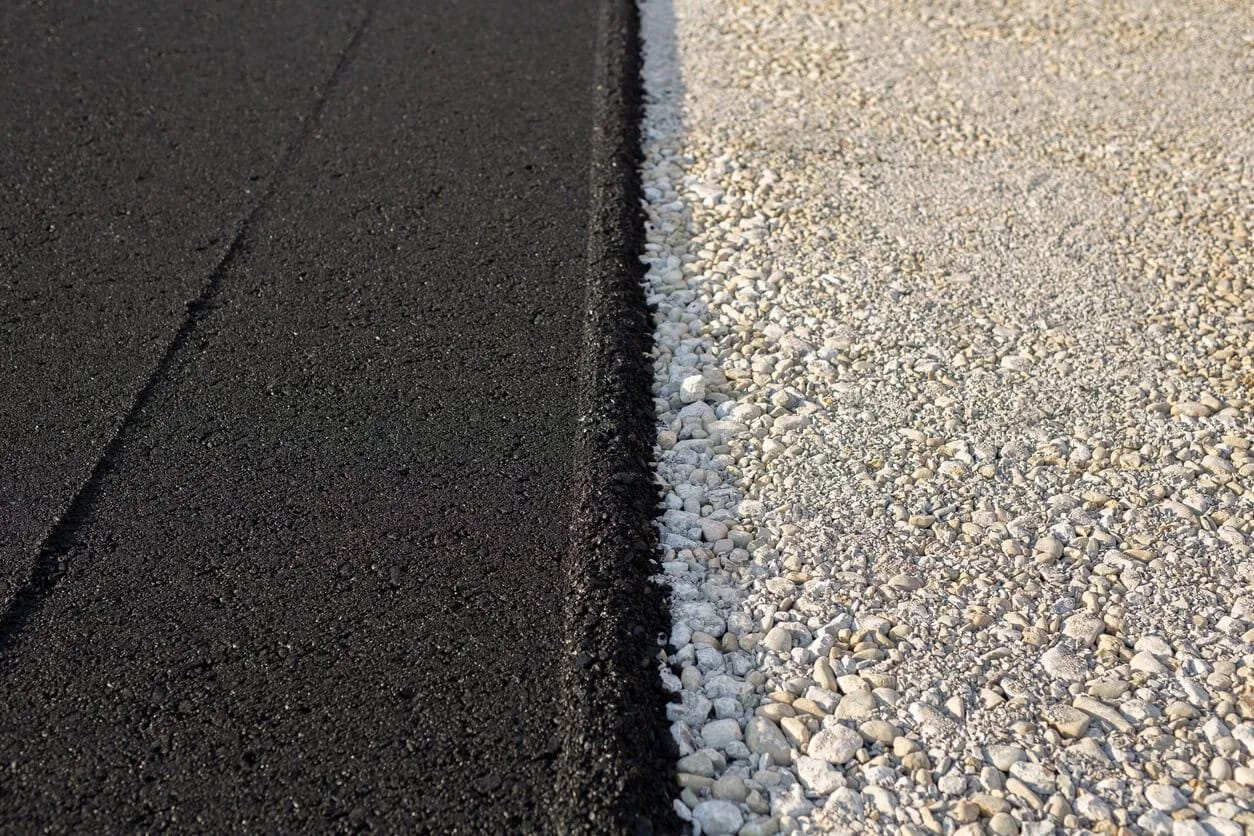
Transform dusty, uneven surfaces with commercial gravel to asphalt conversions in Phoenix, AZ. We regrade and stabilize existing aggregate, then pave with durable asphalt suited to your traffic. Businesses gain cleaner parking, less maintenance, and a more professional first impression.
Precision Asphalt Phoenix provides professional commercial gravel to asphalt throughout Phoenix, AZ, Arizona and the surrounding area. Our licensed, insured crew delivers safe, clean, on-time work with a free estimate before anything begins. Call (602) 603-4424 or request your free quote.
Turn Your Gravel Lot Into Durable Asphalt That Works For Your Business
If you are tired of dust, ruts, and muddy puddles in your gravel parking lot, commercial gravel to asphalt conversions are the fix. At Precision Asphalt Phoenix, we help Phoenix businesses turn rough, unmarked gravel areas into clean, smooth asphalt surfaces that are easier to drive on, safer for customers, and much easier to maintain.
In the Phoenix area, gravel lots get hammered by summer heat, monsoon downpours, and constant UV exposure. That combination creates washouts, loose rock that gets kicked into entryways, and uneven surfaces that are tough on vehicles and deliveries. A properly built asphalt surface solves those problems and, when designed correctly, holds up well in our high temperatures.
Commercial clients we work with include retail centers, medical offices, industrial yards, small warehouses, churches, and HOAs that want more professional and accessible parking. We look at how your property is actually used, not just the square footage, so the new asphalt layout (drive lanes, parking stalls, fire lanes, and loading zones) fits your daily traffic and meets local requirements.
How Commercial Gravel-to-Asphalt Conversions Work Step by Step
A successful gravel to asphalt conversion is more than simply paving over rocks. For Phoenix properties, the process usually follows these steps:
1. Site assessment and measurements
We walk the site with you, check elevations, drainage paths, existing base materials, and access for trucks and equipment. We note heavy traffic areas such as dumpster pads and delivery routes and identify soft spots or areas that hold water after storms.
2. Grading and base preparation
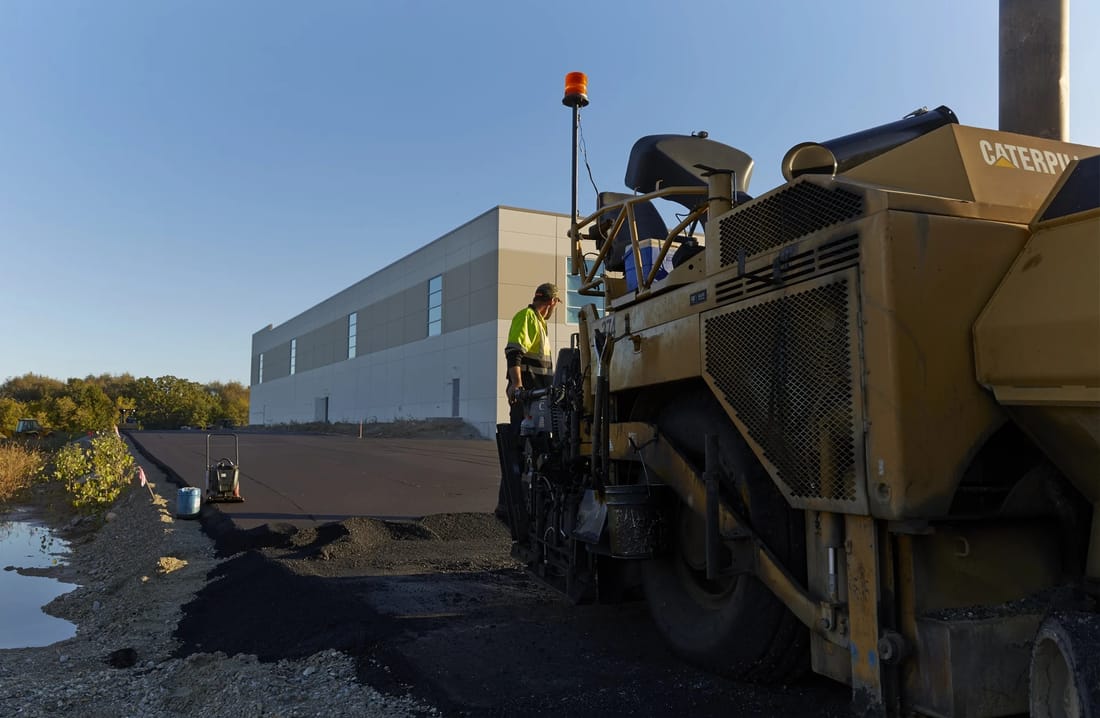
Most gravel lots need regrading. Using graders and compactors, we reshape the lot so water drains to the right locations instead of pooling in the middle. In many cases we reuse existing gravel by reshaping and compacting it, then add new aggregate base in weaker areas. For commercial traffic in Phoenix, we typically target 3 to 6 inches of compacted aggregate base, depending on soil conditions and load requirements.
3. Compaction and proof rolling
Because Phoenix soils can include loose or sandy areas, we use heavy rollers and sometimes a proof roll (a heavy truck driven over the prepared base) to locate soft spots. Any sections that deflect or pump when rolled are excavated and rebuilt with better base materials, so the finished asphalt does not settle or crack prematurely.
4. Asphalt placement
For most commercial gravel to asphalt conversions we place asphalt in one or two lifts. Light duty parking areas may use a single 2.5 to 3 inch lift, while drive lanes, trash enclosures, or delivery areas might receive a thicker section or a second lift. We use hot mix asphalt mixes that perform in high heat and resist rutting under turning vehicles.
5. Striping, signage, and finishing
Once the asphalt cools, we add parking stall striping, ADA spaces, directional arrows, and fire lane markings as needed. We can also install wheel stops, bollards, and basic signage. For some sites we recommend adding concrete pads at dumpster or compactor areas, where constant turning and heavy loads can stress asphalt.
From start to finish, we coordinate phasing so you can keep some level of access for customers or tenants whenever possible.
What Affects Cost and Timelines for Gravel-to-Asphalt Work in Phoenix
The cost of a commercial gravel to asphalt conversion in Phoenix varies, but there are a few key drivers:
Existing base condition. If your current gravel is thick and well compacted, we may be able to reuse much of it and limit new base material. If the lot is thin, dusty, or full of soft spots, we will need more excavation and imported aggregate. That extra base work adds cost but is often what separates a long lasting lot from one that fails in a couple of summers.
Thickness and mix design. Areas with delivery trucks, frequent turning movements, or garbage trucks need thicker asphalt or upgraded mixes. A basic employee parking area for passenger vehicles can use a standard section, while busy retail or industrial sites benefit from heavier duty designs. Precision Asphalt Phoenix talks through your actual traffic so you are not paying for unnecessary thickness in low traffic areas but are protected where it counts.
Drainage corrections. Many gravel lots were never engineered. If water currently flows toward buildings or into neighboring properties, we may need to adjust grades, add valley gutters, or create swales to move water to approved discharge points. Correcting drainage can add earthwork and, in some cases, concrete improvements, but it prevents costly water damage and premature pavement failure.
Access and phasing. Operating in a congested shopping center or medical office often requires night work or staged closures. That can slightly extend timelines and labor costs. On open industrial sites with straightforward access, projects can move faster and more efficiently.
In Phoenix, timing also matters. We plan work around high heat, monsoon season, and your peak business hours to minimize disruption and ensure the asphalt is placed and compacted in the right conditions.
Local Phoenix Conditions That Shape A Good Conversion
Phoenix is not an average paving environment, so local experience is critical for gravel to asphalt conversions.
Heat and UV. Our summer surface temperatures can exceed 170 degrees on dark asphalt. Mix selection, compaction timing, and final thickness all affect how your lot performs under that stress. We use mixes designed to resist rutting and shoving from slow moving, turning vehicles in hot weather.
Monsoon storms. Sudden, intense storms quickly expose grading mistakes. A gravel lot might absorb some of this, but once you convert to asphalt, poor drainage shows up as standing water, rapid oxidation, and raveling at the surface. Precision Asphalt Phoenix designs slopes and drainage routes specifically with monsoon patterns in mind, and we pay attention to low door thresholds and existing concrete so water stays where it belongs.
Dust control and compliance. Maricopa County and the City of Phoenix have strict dust and air quality rules. Converting chronic dusty gravel areas to asphalt can help with compliance, but the work itself must also follow dust control standards. We manage water trucks, track out control, and permit-related requirements so you are not dealing with surprise violations.
Soil variability. Even within Phoenix city limits, we see different subgrade conditions, from firm native soils to looser, previously disturbed fill. Our crews adjust base design and compaction methods to match what is actually under your gravel, not just an engineered assumption on paper.
What To Expect When You Hire Precision Asphalt Phoenix
We try to keep the commercial gravel to asphalt process straightforward and predictable.
Consultation and planning. We meet on site, review how you use the area today, discuss future changes, and identify problem spots like rutting, poor lighting, or confusing traffic flow. We then provide a clear proposal that explains base depth, asphalt thickness, and any drainage or concrete work we recommend.
Permits and layout. For larger conversions, the City of Phoenix or Maricopa County may require permits, updated striping layouts, or ADA upgrades. We help coordinate these details so your new asphalt lot meets current standards, especially for accessible parking, slopes, and ramps.
Construction and communication. Before work starts, you receive a schedule and a plan for traffic control and access. During construction, we keep you updated if we uncover unexpected conditions, such as buried debris, unsuitable soils, or utility conflicts, and we explain options before proceeding.
After completion. We walk the project with you, confirm the striping and layout match the plan, and review basic maintenance tips such as when to allow heavy traffic, how to handle initial cleaning, and when to plan for sealing in the future. Our goal is that your new asphalt surface not only looks professional on day one but also remains a solid asset for many years in Phoenix conditions.
If you are considering commercial gravel to asphalt conversions in Phoenix, Precision Asphalt Phoenix can evaluate your site and give you specific, practical recommendations tied to your property and your budget.