Home › Asphalt Pathways, Sidewalks, and Trails
Connect your property with smooth routes using asphalt pathway paving in Phoenix, AZ. We build sidewalks, bike paths, and multi use trails that are comfortable and low maintenance. Our team shapes paths to the landscape for safe, accessible circulation in parks, campuses, and communities.
Precision Asphalt Phoenix provides professional asphalt pathway paving throughout Phoenix, AZ, Arizona and the surrounding area. Our licensed, insured crew delivers safe, clean, on-time work with a free estimate before anything begins. Call (602) 603-4424 or request your free quote.
Durable asphalt pathways built for Phoenix heat
Asphalt pathways, sidewalks, and trails in Phoenix have a tough job. They sit in full sun most of the year, deal with sudden monsoon downpours, and have to stand up to foot traffic, bikes, carts, and sometimes light vehicle access. Precision Asphalt Phoenix builds these surfaces specifically for our desert climate, not to a generic national standard.
Our crews start by looking at how your pathway will actually be used. A walking path around an HOA greenbelt, a school sidewalk, and a multi‑use trail along a canal all need different design details. We measure the layout on site, look at any existing concrete or asphalt, note low spots where water tends to sit after storms, and locate trees, utility lines, and irrigation systems that could affect the work.
Based on that assessment, we recommend the right pavement section. For simple pedestrian paths we may use a 2 to 2.5 inch asphalt surface over a compacted aggregate base. For golf cart paths, maintenance access routes, or emergency vehicle access we increase both the base thickness and the asphalt layer so you do not end up with ruts and cracking in a year or two. This is where many cheap bids cut corners, and where long term performance is really decided.
Because Phoenix has extreme temperature swings between midday and overnight, we also select asphalt mixes that resist thermal cracking. We work with local plants to use aggregates and binders that have already proven themselves on Valley trails, not just whatever is cheapest on a given day.
How we build asphalt sidewalks, paths, and trails
A clean, stable foundation is everything for asphalt pathway paving. Precision Asphalt Phoenix starts by stripping vegetation, removing failing pavement, and excavating soft or expansive soils if needed. On older properties we often find poorly compacted fill or buried landscaping debris. Leaving that in place guarantees future settlement, so we dig it out and replace it with proper base material.
Once subgrade issues are handled, we install and compact aggregate base rock. For most Phoenix pathways we use a 3/4 inch minus base, placed in lifts and compacted with vibratory rollers or plate compactors in tight areas. We slope this base slightly, usually 1 to 2 percent, to shed water toward swales, landscape areas, or drain inlets. In the desert, standing water usually comes from landscape irrigation and monsoon bursts, so setting those slopes correctly is one of the most important details.
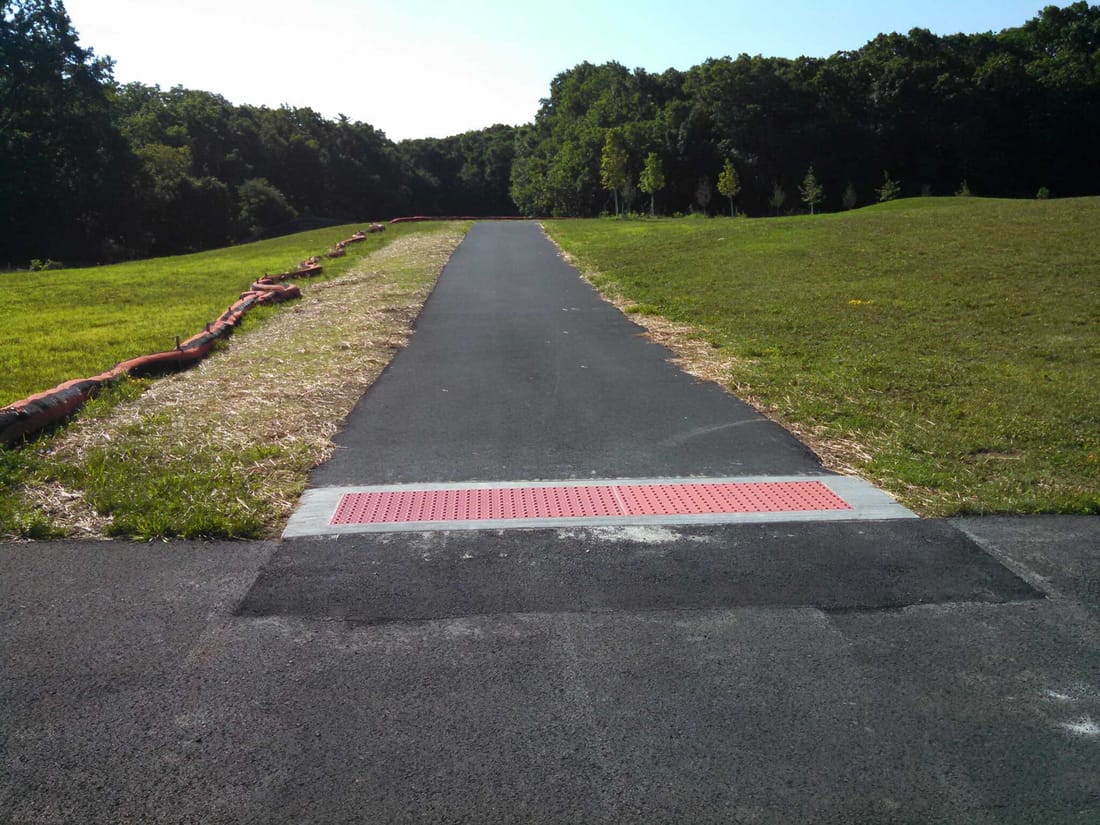
We then set forms or paint edges for the pathway alignment, depending on whether the design calls for a fully flush edge that blends into decomposed granite or a crisp edge that transitions to turf or rock. At transitions to existing concrete, such as sidewalks at driveways or ADA ramps, we grind or step the grades so there is no trip hazard and the slope stays within ADA guidelines when required.
Asphalt is installed hot from the plant, typically between 275 and 320 degrees Fahrenheit. For longer trails we schedule paving early in the morning to beat the worst heat and traffic. Our screed operators control thickness and slope, and our rolling pattern is planned so we achieve compaction before the mix cools, which is especially important in dry air. Compaction is what makes your pathway dense, smooth, and resistant to raveling.
Design options, finishes, and traffic considerations
Many Phoenix property owners assume all asphalt paths look the same, but there are practical design choices that can improve both appearance and performance. Precision Asphalt Phoenix can vary width, alignment, and edge treatments so your asphalt pathways, sidewalks, and trails fit the way people actually move through the property.
For HOA walking loops, we often recommend gentle curves instead of rigid straight lines. This looks better in landscaped areas and helps avoid tree root zones. On school and commercial sites, we focus on clear, direct paths that connect parking, building entries, bus stops, and accessible routes. Where bikes and pedestrians share the same asphalt, we suggest wider sections and striping to separate directions of travel or indicate conflicts at drive aisles.
Surface finish is another choice. Standard machine‑laid asphalt provides a smooth, dark surface that is comfortable for walking and rolling. If the path is on a slope or near a water feature, we can use a slightly coarser surface mix for improved traction. For parks and trail systems, we often add colored seal coats or striping to mark lanes, distance markers, or crossing points. These are applied after the asphalt has cured and can be refreshed as part of future maintenance.
For areas exposed to occasional light vehicles, such as maintenance carts, fire lanes that double as walking paths, or access to community facilities, we strengthen the structure with thicker base, a heavier asphalt lift, or both. We make sure these upgrades are targeted, so you do not pay for heavy‑duty construction on the entire trail when only certain sections need it.
What affects cost and timeframe in Phoenix
Pathway and sidewalk projects vary a lot in price, even within a single property. Precision Asphalt Phoenix breaks down asphalt pathway paving costs for you upfront so you understand where the money goes and where we can adjust the plan.
The biggest cost drivers are pathway length and width, thickness of the asphalt and base layers, and how much site preparation is required. Removing old concrete or heavily cracked asphalt, dealing with drainage corrections, and replacing soft or expansive soils will add to cost, but they also prevent repeat failures that are more expensive in the long run.
Access is another factor. A simple straight run along a street where trucks can pull right up will cost less per square foot than a winding trail behind homes where material has to be moved in smaller loads. Tight spaces around pool decks, courtyards, or interior courtyards at schools may require handwork, smaller equipment, or night and weekend work to avoid interrupting use.
Phoenix weather also affects scheduling. We avoid paving during active monsoon storms or when the ground is saturated because water trapped under the asphalt leads to early cracking and potholes. In summer, we typically start earlier in the day so crews and material are not fighting peak afternoon temperatures. For larger municipal or HOA trails, we may phase the work, opening completed sections while we move to the next, which helps keep residents and users moving through the property with minimal disruption.
Maintenance, repairs, and what to look for before you hire
An asphalt pathway that is built correctly and maintained on a reasonable schedule can last 15 to 25 years in the Phoenix area. Precision Asphalt Phoenix helps owners plan for that full life, not just the initial installation.
Within the first year, we usually recommend a light seal coat once the asphalt has had time to fully cure, especially for darker paths in full sun. Seal coating is not just cosmetic; it slows oxidation from UV exposure and keeps the surface from becoming dry and brittle. After that, most pathways do well with seal coating every 3 to 5 years, depending on sun exposure, irrigation overspray, and traffic.
For existing asphalt sidewalks and trails, we look for early warning signs: hairline cracks starting to open up, edges unraveling where DG or soil meets the pavement, or localized depressions near irrigation heads and tree roots. Many of these can be handled with crack sealing and small patching if caught early. When we see widespread alligator cracking or structural settlement, we explain where simple overlays might work and where full removal and replacement will be more cost effective.
Before you hire any contractor for asphalt pathway paving, ask specific questions. Who will be on site running the crew, and do they have experience with pathways and trails, not just parking lots? What thickness of asphalt and base are they proposing, and why? How will they handle drainage and irrigation overspray? Can they show you Phoenix projects that have been in the ground for at least a few years? At Precision Asphalt Phoenix we are ready to answer these in detail, walk the site with you, and put our recommendations in writing so you know exactly what you are getting.